1. Introduction to Antioxidants
What Are Antioxidants?
Antioxidants are compounds that inhibit oxidation in the body, protecting cells from damage caused by free radicals—unstable molecules produced when the body breaks down food or is exposed to environmental factors like pollution and radiation. The body generates free radicals, and when these molecules outnumber antioxidants, oxidative stress occurs, leading to cellular damage and contributing to various diseases, including cancer, heart disease, and neurodegenerative conditions.
The Role of Antioxidants in Health
Antioxidants play a crucial role in maintaining overall health. They neutralize free radicals, reducing oxidative stress and preventing cellular damage. This protective function influences various bodily systems, reducing chronic disease risks and potentially extending lifespan. Additionally, antioxidants support skin health, boost the immune system, and promote heart health by preventing the oxidation of LDL cholesterol.
Overview of the Strongest Antioxidant in Nature
Among the myriad of antioxidants, astaxanthin stands out as potentially the strongest antioxidant in nature, surpassing others in potency and breadth of health benefits. Derived from microalgae and certain seafood, astaxanthin has garnered attention for its exceptional ability to combat oxidative stress and inflammation. As research continues, astaxanthin appears promising not just for improving health but also for significantly enhancing quality of life.
2. What Is Astaxanthin?
Natural Sources of Astaxanthin
Astaxanthin is a carotenoid pigment, predominantly found in marine organisms such as microalgae, salmon, shrimp, and krill. The microalgae Haematococcus pluvialis are particularly rich in astaxanthin and are considered a key source for supplements. These sources not only contribute a vibrant reddish-pink hue to seafood but also provide invaluable health benefits through their antioxidant properties.
The Chemical Structure of Astaxanthin
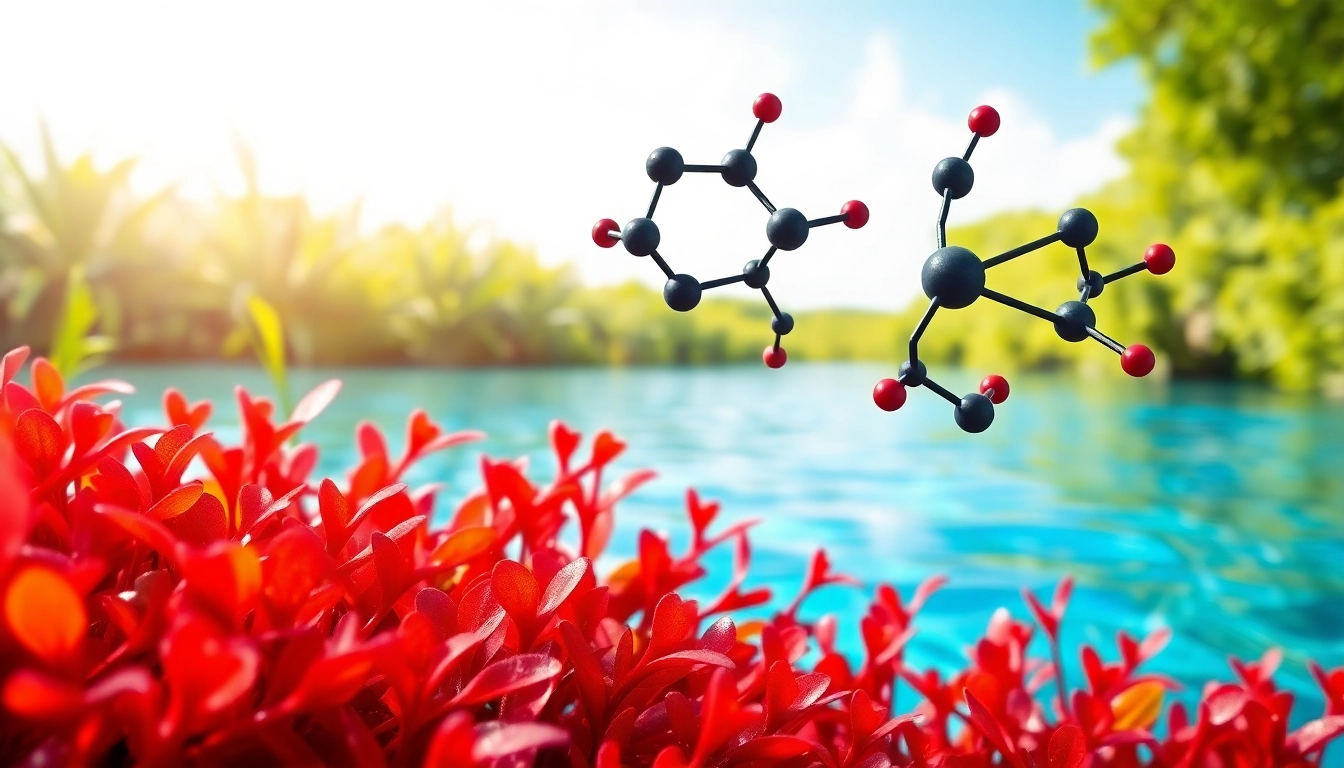
The unique chemical structure of astaxanthin involves a series of conjugated double bonds that allow it to scavenge free radicals effectively. Specifically, it has a symmetrical arrangement of its molecule, enhancing its ability to neutralize oxidative stress while minimizing potential side effects. This molecular design also contributes to its remarkable stability under UV light, further establishing astaxanthin’s superiority among antioxidants.
How Astaxanthin Differs from Other Antioxidants
What sets astaxanthin apart from other antioxidants is its unique capability to span cell membranes, providing protection to both the interior and exterior of cells. Unlike other antioxidants that may only operate within certain environments, astaxanthin operates efficiently in fatty tissues and aqueous environments alike. This versatility amplifies its protective roles in various systems, contributing to multiple health benefits.
3. Health Benefits of Astaxanthin
Boosting Skin Health
Astaxanthin’s anti-inflammatory properties have significant effects on skin health. By neutralizing free radicals that contribute to aging, astaxanthin helps reduce the appearance of fine lines, wrinkles, and age spots. Clinical studies have shown that astaxanthin can improve skin elasticity, moisture levels, and overall complexion when ingested or applied topically. This makes it a sought-after ingredient in skincare products and supplements.
Improving Eye Health
Astaxanthin is renowned for its eye protection, particularly against conditions such as macular degeneration and cataracts. The carotenoid’s ability to cross the blood-retinal barrier allows it to support retinal health effectively. Research suggests that astaxanthin may improve visual acuity and reduce eye fatigue, making it particularly beneficial for those who spend long hours working on computers or engaging in visually demanding tasks.
Enhancing Athletic Performance
Athletes increasingly turn to astaxanthin for its potential benefits in enhancing endurance and performance. Studies indicate that astaxanthin supplementation may reduce muscle soreness, improve recovery times, and increase overall stamina. By combating exercise-induced oxidative stress, astaxanthin may allow athletes to perform at their peak while minimizing the risk of injury and fatigue.
4. How to Integrate Astaxanthin into Your Diet
Dietary Sources of Astaxanthin
The best dietary sources of astaxanthin are marine foods. Consuming wild-caught salmon, shrimp, crab, and other seafood can significantly increase astaxanthin intake. For individuals seeking a vegetarian or vegan source, Haematococcus pluvialis supplements are available, providing a concentrated dose of this powerful carotenoid.
Supplements vs. Food Sources
While dietary sources of astaxanthin offer various health benefits, supplements provide a more concentrated option. Supplements tend to be easier to manage and quantify in terms of dosage, making them a popular choice for those seeking specific health outcomes. However, incorporating astaxanthin-rich foods into a balanced diet remains ideal for promoting overall health.
Recommended Dosages
The effective dosage of astaxanthin can vary depending on individual health goals, body weight, and other factors. Generally, a daily intake of 4 to 12 mg is recommended for health benefits. However, one should consult with a healthcare professional prior to beginning any supplementation regimen to identify the most appropriate dose for their unique circumstances.
5. Frequently Asked Questions
Is Astaxanthin Safe?
Yes, astaxanthin is generally recognized as safe when consumed in recommended dosages from dietary sources or supplements. However, as with any supplement, it’s advisable to consult a healthcare provider, especially for pregnant or nursing women.
Can Astaxanthin Help with Aging?
Astaxanthin has potent anti-aging properties, primarily due to its ability to combat oxidative stress and inflammation. Regular consumption may help reduce signs of skin aging while promoting overall health.
Are There Side Effects?
Astaxanthin is typically well-tolerated, with few reported side effects. Some individuals might experience mild digestive upset. Those considering high doses should consult a healthcare professional to avoid potential interactions with medications.
How Should I Take Astaxanthin?
Astaxanthin can be taken as a dietary supplement, available in various forms, including soft gels and capsules. For maximum absorption, it’s recommended to take astaxanthin with a meal containing fats.
What Makes Astaxanthin Unique?
Astaxanthin’s unique molecular structure allows it to protect both cell membranes and internal cellular components. This dual protective ability, combined with its high antioxidant capacity, makes it one of the most potent antioxidants discovered.